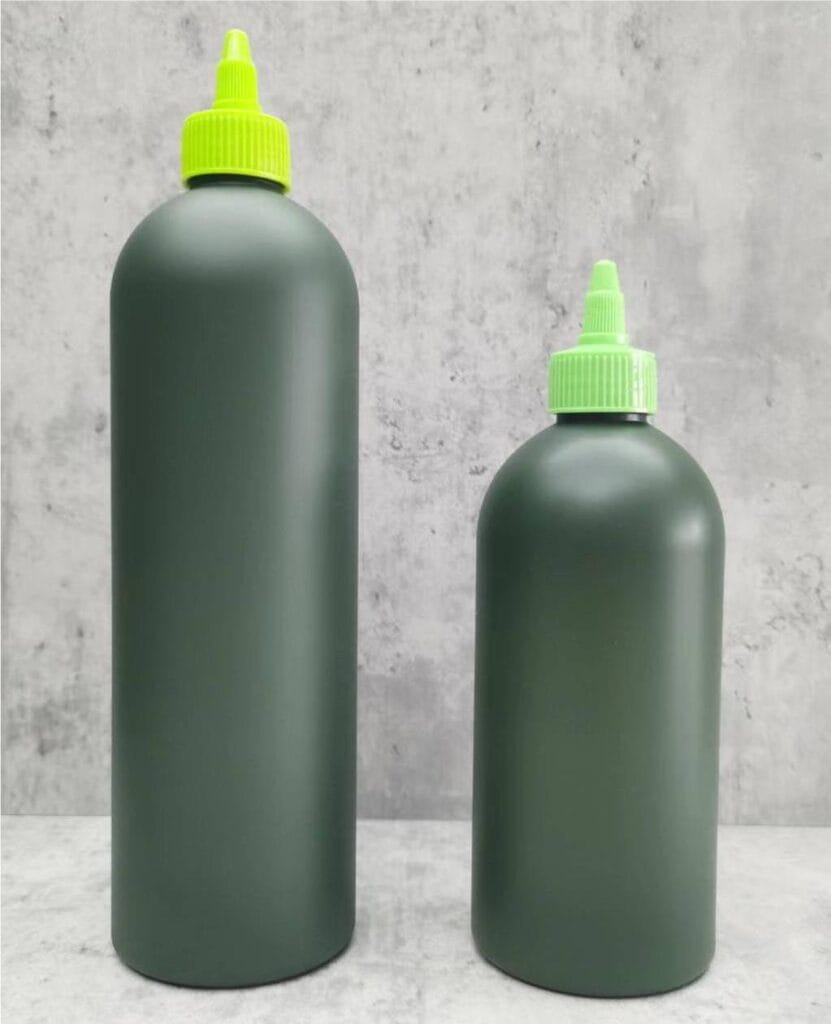
Extra virgin olive oil is one of the healthiest foods you can consume — rich in antioxidants, polyphenols and healthy fats that support heart health, reduce inflammation and protect your cells.
But the benefits of olive oil depend heavily on how it is stored.
And one of the worst places for olive oil to live is inside a plastic bottle.
Plastic and Oil Don’t Mix
Olive oil is a fat, and fats are particularly good at absorbing chemicals from their surroundings. When olive oil is stored in plastic, small amounts of chemicals from the plastic can migrate into the oil over time, which in turn ends up in you.
Research continues to show that plastics can release compounds into food — particularly when exposed to light, heat or long storage periods.
Plastic packaging can also shed microplastics, tiny particles that are now being found in food, water and even the human body.
When you store a delicate, high-value food like extra virgin olive oil in plastic, you are not just risking flavour loss — you are potentially contaminating the oil.
Plastic Is Also Permeable to Air
Another major problem with plastic is that it is permeable.
Unlike glass, plastic allows oxygen to pass through the material.
And oxygen is olive oil’s biggest enemy.
When air enters the bottle, the oil begins to oxidise — breaking down its delicate aromas, destroying polyphenols and degrades the oil.
The result is flat, tired oil that has lost many of the health benefits that make extra virgin olive oil so valuable.
Premium Producers Never Use Plastic
There’s a simple rule in the world of premium olive oil:
Serious producers do not put their oil in plastic bottles.
Producers who spend the year caring for their groves, harvesting early and producing high-polyphenol oils would never allow that oil to be packaged in plastic.
Almost all premium extra virgin olive oil is packaged in dark glass , which protects the oil from light, oxygen and contamination.
If you see olive oil in plastic, it is almost always a sign that the oil inside was made for volume and price — not quality.
It’s Also Terrible for the Environment
Plastic bottles don’t just harm the oil — they harm the planet.
Most plastic packaging used for cooking oils ends up in landfill or the ocean, where it can take hundreds of years to break down. As it degrades, it fragments into microplastics that contaminate ecosystems and enter the food chain.
Glass, on the other hand, is infinitely recyclable, chemically stable and far better suited for protecting food products like olive oil.
How Premium Olive Oil Is Stored
The best olive oil producers store their oils in stainless steel tanks under nitrogen, protecting them from oxygen and light.
The oil is then bottled in dark glass only when it is ready to be shipped.
At The Good Oil Club, this is exactly how our producers work. Their oils are stored in oxygen-free environments and bottled fresh in dark glass before being sent directly to Australia.
This protects the oil’s flavour, freshness and polyphenols — ensuring you receive olive oil the way it was meant to be enjoyed.
The Takeaway
Yes, plastic packaging may be “on trend” at the moment — lighter, cheaper and everywhere on supermarket shelves looks like it’s easy and fun to squeeze, but taking joining that trend comes at a cost. To what detriment? Your health, the quality of the oil, and the environment.
Avoid plastic bottles.
Look for oils packaged in dark glass from producers who respect the product enough to protect it properly.
Because great extra virgin olive oil deserves better than plastic.
Ben and Lee
The Good Oil, The Good Life