The Truth Behind the Bottle
Why EVOO wins every time — for flavour, purity, and your long-term health.
When you walk down the supermarket aisle, it’s easy to be confused. Canola oil, sunflower oil, grapeseed oil, “vegetable oil”… they’re all marketed as “heart healthy.” They’re cheap. They’re everywhere. And they’re hiding a dirty little secret:
Every single vegetable/seed oil is a highly processed, chemically extracted industrial product.
Extra Virgin Olive Oil is a natural, fresh fruit juice.
Once you understand that difference, everything else becomes crystal clear.
Let’s break it down, Good Oil Club style.
What Are Vegetable Oils Really?
“Vegetable oil” sounds wholesome… but it’s a marketing trick.
These oils come from seeds that cannot naturally release oil — meaning they require:
extreme heat
chemical solvents (like hexane, a petroleum-derived neurotoxin)
bleaching
deodorising
This process destroys nutrients, warps fatty acids, creates trans fats, and produces unstable oils that oxidize quickly.
Meanwhile…
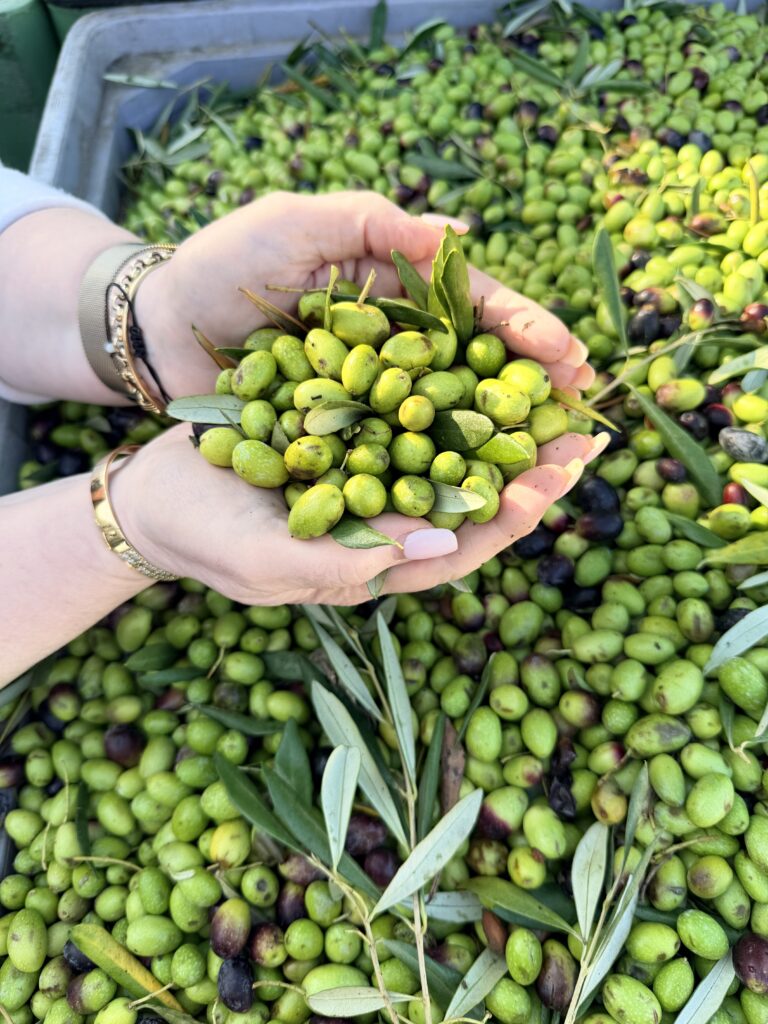
Extra Virgin Olive Oil = olives crushed → spun → bottled.
No chemicals. No refining. No heat.
Just pure fruit juice.
Refining Destroys Seed Oils — Literally
To extract oil from seeds like canola, corn, sunflower, soy or grapeseed, industrial processors use:
This process:
Alters the omega-6 content
Creates free radicals
Increases trans fats
Strips nutrients
Leaves the oil inherently unstable
These aren’t traditional cooking fats. They’re industrial by-products turned into “food.”
Smoke Point Is a Myth — The Real Issue Is Oxidation
Seed oils love to brag about their “high smoke point,” claiming they’re ideal for frying. But smoke point is NOT what matters.
Oxidation resistance is what determines whether an oil is safe to heat.
Vegetable oils are:
When heated, they break down and generate toxic aldehydes, free radicals, and compounds linked to inflammation, heart disease, and cancer.
In contrast:
EVOO’s monounsaturated fats are stable
EVOO’s polyphenols protect it during cooking
EVOO withstands sautéing, baking, roasting, and shallow frying with ease
The Mediterranean didn’t survive thousands of years cooking with EVOO by accident.
Rancidity: The Hidden Danger of Seed Oils
Seed oils oxidize rapidly when exposed to:
This creates rancidity — not just bad flavour, but:
free radicals
inflammatory compounds
cell-damaging molecules
These contribute to degenerative diseases and chronic inflammation.
EVOO’s antioxidants prevent oxidation, giving it far superior protection and stability.
The “Healthy Omega-6” Myth
Seed oils contain enormous amounts of omega-6 fats. Yes, omega-6 is essential… but only in tiny amounts.
The modern diet is already overloaded with omega-6 from:
The ideal omega-6:omega-3 ratio is 4:1 or better.
Today, many people sit at 10:1 to 20:1, driven largely by seed oils.
This imbalance:
drives inflammation
disrupts metabolic health
increases cardiovascular risk
worsens chronic disease
A British Medical Journal study even showed that replacing saturated fats with omega-6 linoleic acid increased deaths from heart disease.
Seed oils are not “heart healthy.”
They’re the opposite.
Canola Oil vs Olive Oil
Canola is one of the world’s most widely used oils — and one of the most misunderstood.
And because it’s highly polyunsaturated, it oxidizes easily and goes rancid quickly.
Compare that to EVOO:
There’s simply no contest.
Grapeseed Oil vs Olive Oil
Grapeseed oil sounds fancy… but it’s industrial waste.
Literally.
It’s extracted from leftover wine-making seeds using — again — hexane, then heavily refined.
Though grapes contain antioxidants, the oil does not. High heat and solvent extraction destroy them.
EVOO, on the other hand, is bursting with antioxidants and polyphenols.
Sunflower Oil vs Olive Oil
Standard sunflower oil:
Only cold-pressed expeller sunflower oil avoids chemicals — but it’s rare, expensive, and still unstable.
EVOO is stable, healthy, flavour-packed, and naturally antioxidant-rich.
The Clear Winner: Extra Virgin Olive Oil
When comparing seed oils to EVOO, only one comes out on top:
EVOO is:
Vegetable oils are:
refined
oxidized
deodorized
bleached
high in omega-6
unstable
nutrient-poor
linked to chronic inflammation
A stable, fresh, natural oil will always beat a chemically altered industrial one.
Choose EVOO for Health — and For Flavour
Swapping vegetable oils for extra virgin olive oil isn’t just healthier — it makes food taste infinitely better EVOO is an ingredient.
EVOO adds:
Seed oils add… nothing. They’re literally deodorized to taste like nothing.
Good Oil Club Tip: Store EVOO Correctly
To protect its integrity:
Freshness is flavour — and health.
Bottom Line
Vegetable oils are industrial products disguised as “healthy.”
Extra Virgin Olive Oil is real food — nutrient-dense, antioxidant-rich, protective, and packed with flavour.
When it’s EVOO vs vegetable oils, the verdict is absolute:
There is no comparison. EVOO wins every time.
Ben & Lee
The Good Oil Club
The good oil, The good life.
 |
 |
 |